



Blog

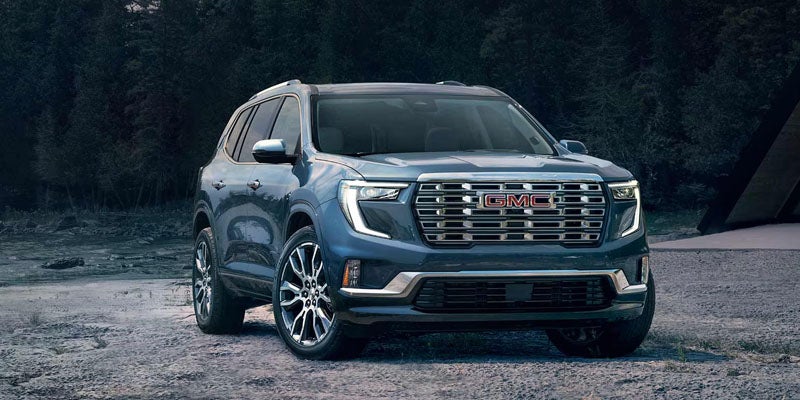
GMC Acadia vs Toyota Highlander: What It’s Like to Live with Them?

02 (24)

You notice it in the first five minutes. Not the badge. Not the spec sheet. The way the steering weights up as you pull out of the lot. The way the cabin either settles you in or leaves you adjusting the seat again at the next light. The GMC Acadia and Toyota Highlander both aim at the same job, though they go about it differently. Spend a bit of time in each around McMinnville, OR, and the gap starts to show in small, telling ways. 

Interior Space and Comfort 

The GMC Acadia gives you room to work with. Seating for up to 8 comes with a layout that feels open rather than packed in. Cargo space reaches up to 97.5 cu. ft., which makes a difference when the back is loaded with gear, groceries, or a weekend’s worth of plans. 

Higher trims push comfort further. The Denali brings leather-appointed seating, while the Denali Ultimate adds features like massaging front seats. Those details are not about showing off. They matter on longer drives, especially when the road stretches out beyond town. 

The Toyota Highlander also seats up to 8 and stays comfortable, though cargo space tops out at 84.3 cu. ft. The interior leans more toward function. It does the job well, though it does not reach the same level of finishing or flexibility as Acadia. 

Technology That Feels Natural 

The Acadia centers everything around a 15-inch Premium GMC Infotainment System with Google built-in. The size helps, though the real advantage is how it works. Navigation, voice control, and media all feel integrated rather than layered on top. 

Wireless Apple CarPlay® and Android Auto™ come standard, so your phone connects without effort. Up to nine camera views and an available Head-Up Display keep key information in sight when maneuvering or driving through tighter spaces. 

Highlander offers an 8-inch standard screen or an available 12.3-inch upgrade. It covers the basics well, though it feels more conventional in how everything is laid out. It works, though it does not feel as cohesive as the Acadia’s setup. 

Driving Feel and Performance 

The GMC Acadia runs a 2.5L Turbocharged engine rated at 328 hp and 326 lbs. ft. of torque, paired with an 8-speed automatic transmission. It pulls cleanly and feels composed when merging or passing. The response is steady, which builds confidence over time. 

The AT4 trim adds an Active Torque Control AWD system and an off-road-tuned suspension. It gives the Acadia a bit more range when the pavement ends or the road gets rough. 

The Toyota Highlander uses a 2.4L Turbocharged engine with 265 hp and 310 lbs. ft. of torque. It performs well in daily driving, though it feels less eager when pushed. AWD is available, though it does not carry the same off-road focus as the AT4. 

Safety and Driver Support 

The GMC Acadia includes over 19 standard safety and driver-assist features. Enhanced Automatic Emergency Braking, Blind Zone Steering Assist, HD Surround Vision, and Rear Cross Traffic Braking all come included. Intersection Automatic Emergency Braking adds another layer of awareness in busy areas. 

The Highlander uses Toyota Safety Sense™, which covers key features as well. Some elements vary by trim level, which can change what you get depending on configuration. 

The Acadia keeps more of its safety features standard across the lineup, which simplifies the decision. 

Take the GMC Acadia Out and See the Difference 

You can read numbers all day. They only tell part of the story. The rest shows up when you’re in the driver’s seat, pulling onto a road you know, noticing how the SUV responds without thinking about it. 

Stop by Lum’s GMC of McMinnville and take the Acadia out for a proper drive. Bring the family. Load up a few bags. Spend more than a quick loop around the block. It does not take long to figure out which one fits your day better.

Recommended Posts

Mechanic inspecting a car engine under the hood.

GMC Reduced Engine Power Warning: What It Means, Why It Happens, and How to Fix It

Few warning messages are more unsettling than "Reduced Engine Power" when it appears on your GMC's dashboard. The GMC Reduced Engine Power warning can feel alarming, especially if it happens in the middle of a drive. The good news is that understanding what triggers it can help you respond calmly and get the right help right in McMinnville, Oregon, quickly. more What Is the GMC Reduced Engine Power Warning? The GMC Reduced Engine Power warning might be scary, but it’s actually a protection mode built into your vehicle's engine control system. When the system detects a problem that could potentially cause engine damage, it intentionally limits your vehicle's performance to prevent further harm. You may notice your truck or SUV feels sluggish, struggles to accelerate, or won't respond the way it normally does. That's the system doing its job—protecting the engine while alerting you to an underlying issue. Common Causes of the GMC Reduced Engine Power Warning There are several reasons the GMC Reduced Engine Power warning might appear. While only a diagnostic scan can pinpoint the exact cause, some of the most common culprits include: A faulty throttle body is one of the top triggers. When the throttle position sensor isn't communicating correctly with the engine control module, the system defaults to reduced power mode. A loose or corroded battery connection can also cause this warning, since the engine control module relies on consistent electrical signals. Other potential causes include a failing mass airflow sensor, a dirty or damaged oxygen sensor, a fuel system problem, or a catalytic converter issue. What You Should Do When the Warning Appears When the GMC Reduced Engine Power warning activates, the safest step is to pull over when it's safe to do so. Turn the engine off, wait a few minutes, and restart. In some cases, the warning may clear temporarily—but that doesn't mean the underlying issue is resolved. It turned on for a reason, right? Avoid ignoring the warning or continuing to drive aggressively. Operating a vehicle in reduced power mode for extended periods can put additional stress on engine components. The warning is your vehicle asking for attention, not something to push through. Why a Professional Diagnostic Matters Because the GMC Reduced Engine Power warning can stem from a wide range of issues—from a simple sensor fault to a more complex electrical or fuel system problem—a professional diagnostic scan is the most reliable way to identify the root cause. A certified technician can read the fault codes stored in your vehicle's system and determine exactly which component needs attention. This prevents guesswork and helps you avoid paying for parts that may not solve the problem. Get Your GMC Checked Out in McMinnville, OR If that Reduced Engine Power warning has taken you by surprise, don't wait for the problem to get worse. Drivers in McMinnville, Oregon, can bring their GMC truck or SUV to Lum’s GMC, where factory-trained technicians are equipped to diagnose and address the issue properly. Visit us at lumsgmc.com to schedule a service appointment or learn more about our certified service options. Getting the right diagnosis early can save you time, money, and stress down the road. Your Next Step Is Simple The GMC Reduced Engine Power warning isn't something to ignore—but it's also not a reason to panic. Understanding what the warning means gives you a clear path forward. Bring your vehicle to a trusted GMC service center, get a proper diagnosis, and get back on the road with confidence. At Lum’s GMC, we're here to help you do exactly that.

White GMC Sierra 1500 pickup truck driving on a scenic road.

What Is the Difference Between GMC Sierra 1500 Elevation and SLT Trim Levels?

While you know the GMC Sierra is a high-quality truck, you've probably also noticed that not every Sierra 1500 is the same, and you need to find the one that will fit your needs the best. The 2026 GMC Sierra 1500 lineup offers a range of trims designed to fit different lifestyles, budgets, and preferences - and two of the most popular options, the Elevation and SLT trim levels, tend to generate a lot of questions. Here's a breakdown to help you figure out which one might be the right fit for you. more Understanding the GMC Sierra 1500 Lineup The 2026 GMC Sierra 1500 spans several trim levels, each building on the last with additional features, styling enhancements, and technology upgrades. Before diving into the specific differences between the Elevation and SLT trims, it helps to understand where they fall within the broader Sierra 1500 family. Both sit in the mid-range of the lineup, appealing to buyers who want more than the base model without jumping into premium Denali or off-road-focused AT4 territory. What Is the GMC Sierra 1500 Elevation? The Sierra 1500 Elevation is designed to stand out visually while keeping things practical and approachable. It features a blacked-out exterior appearance package that includes a dark grille, dark badges, and 20-in wheels. Inside, you'll find a well-equipped cabin with a larger touchscreen, upgraded upholstery, and a host of comfort and convenience features that make everyday driving more enjoyable. The Elevation is a strong choice for drivers who want a bold look paired with solid everyday utility. It strikes a balance between style and function without crossing into heavily off-road or ultra-luxury territory. What Is the GMC Sierra 1500 SLT Trim? The Sierra 1500 SLT trim takes a similar blacked-out styling approach but typically leans into a more premium configuration. It builds on the Elevation's foundation by adding more refined interior materials, additional technology features, and enhanced comfort touches. Think of it as the next step up for buyers who appreciate the Elevation's aesthetic but want a more polished experience behind the wheel. The SLT is positioned for drivers who want that dark, aggressive look on the outside with a noticeably upgraded feel on the inside. It's a great option if you spend a lot of time in your truck and want the cabin to reflect that investment. Key Differences to Consider When evaluating what is the difference between GMC Sierra 1500 Elevation and SLT trim levels, the most notable distinctions come down to interior refinement, feature content, and price. The SLT generally offers more premium materials and a higher level of standard equipment compared to the Elevation. Both trims share the signature dark exterior styling that has made this series popular, but the SLT delivers a more upscale driving environment. The Elevation trim offers three capable engine options to match your driving needs. Choose the 2.7L TurboMax with 310 hp and 430 lb.-ft. of torque, the 5.3L engine with 355 hp and 383 lb-ft of torque paired with a 10-speed automatic transmission, or the 3.0L Duramax Turbo-Diesel with 305 hp and 495 lb-ft of torque. Your decision may also come down to budget and intended use. If you're primarily focused on getting a capable, great-looking truck without extra frills, the Elevation delivers strong value. If you want a more complete package with fewer compromises, the SLT trim is worth the additional investment. Find Your Sierra 1500 at Lums GMC Understanding what the difference between GMC Sierra 1500 Elevation and SLT trim levels is a great starting point, but nothing compares to seeing them in person. The team at Lums GMC is ready to walk you through the details, answer your questions, and help you find the Sierra 1500 that fits your needs. Visit lumsgmc.com or stop by to explore current inventory and available offers on the 2026 Sierra 1500 lineup.

Red GMC pickup truck climbing over rocky off-road terrain in a desert landscape.

The Least Expensive New Cars to Maintain in 2026: What to Look for Before You Buy

If you are shopping for a new vehicle this year, the sticker price is only part of the equation. Knowing which models qualify as the least expensive new cars to maintain can save you hundreds, or even thousands, of dollars over time. From oil changes and brake service to longer-term reliability, maintenance costs vary significantly from one model to the next. If you are commuting daily or hauling gear on the weekends, choosing a vehicle with strong reliability ratings and manageable scheduled maintenance intervals is a smart decision. To find the right fit and learn more about our low-maintenance lineup, reach out to the experts at Lum's GMC of McMinnville. more What Makes a Vehicle the Least Expensive New Car to Maintain When people discuss the least expensive new cars to maintain, they refer to how often a vehicle needs scheduled service, service affordability, component longevity, and long-term reliability. A vehicle requiring oil changes every 7,500 miles, or every 10,000 miles for some modern engines, costs less in routine upkeep than one demanding more frequent visits. Models carrying strong reliability ratings from independent testing organizations experience fewer unexpected repair visits, keeping long-term costs down. Why Reliability Ratings Matter More Than You Think Reliability ratings reflect real-world ownership experiences reported by thousands of drivers. Vehicles consistently earning top scores encounter fewer mechanical problems. You spend less time at the shop and more time on the road. Prioritize models with a track record of dependability when researching the least expensive new cars to maintain. This approach is vital if you plan to keep your vehicle beyond the factory warranty period. A highly rated vehicle remains low-cost to own well into the second and third years. 2026 GMC Models Worth Considering for Low Maintenance Costs GMC builds its lineup around professional-grade durability. Several 2026 models stand out for reliability and manageable upkeep costs. The 2026 GMC Terrain is an accessible compact SUV designed for everyday driving. It focuses on efficiency and practicality. Its straightforward powertrain, featuring a 1.5-L turbocharged engine along with standard Apple CarPlay© and Android Auto© compatibility, makes scheduled maintenance simple and the driving experience highly enjoyable. The 2026 GMC Canyon is a mid-size truck built for versatility. Mid-size trucks carry strong long-term durability reputations. The Canyon offers drivers a capable work or weekend vehicle without high upkeep costs. The 2026 GMC Sierra 1500 delivers full-size truck capability with signature GMC engineering refinement. Its robust construction and reliable engine options provide a durable choice for drivers seeking capability and dependability. Scheduled Maintenance Checklist for 2026 Models Reviewing the recommended service schedule helps identify the least expensive new cars to maintain. Many modern vehicles use full synthetic oil and travel 7,500 to 10,000 miles between changes. Look for vehicles known for lighter brake wear in daily driving conditions. Cabin and engine air filter replacement intervals should extend to at least 15,000 to 20,000 miles. Tire rotation is recommended every 5,000 to 7,500 miles. Spark plug replacement on modern vehicles with iridium plugs can often wait until 60,000 to 100,000 miles. Many newer vehicles require transmission fluid changes less frequently than older designs. GMC Certified Service© supports GMC vehicles, keeping you on top of these intervals with trained technicians who know your vehicle perfectly. The Least Expensive New Cars to Maintain: Key Takeaways Finding the least expensive new cars to maintain in 2026 requires upfront research. Look beyond the purchase price and dig into reliability ratings, service intervals, and the total cost of ownership over three to five years. The 2026 GMC lineup, including the Terrain, Canyon, and Sierra 1500, offers durability, engineering quality, and accessible service costs. Stop by Lum's GMC of McMinnville, or visit lumsgmc.com to explore the 2026 lineup, check current offers, and speak with a team that can help you find the right vehicle for your budget and lifestyle.