


Blog / GMC Service

GMC Tire Care Tips for Trucks and SUVs in McMinnville, OR

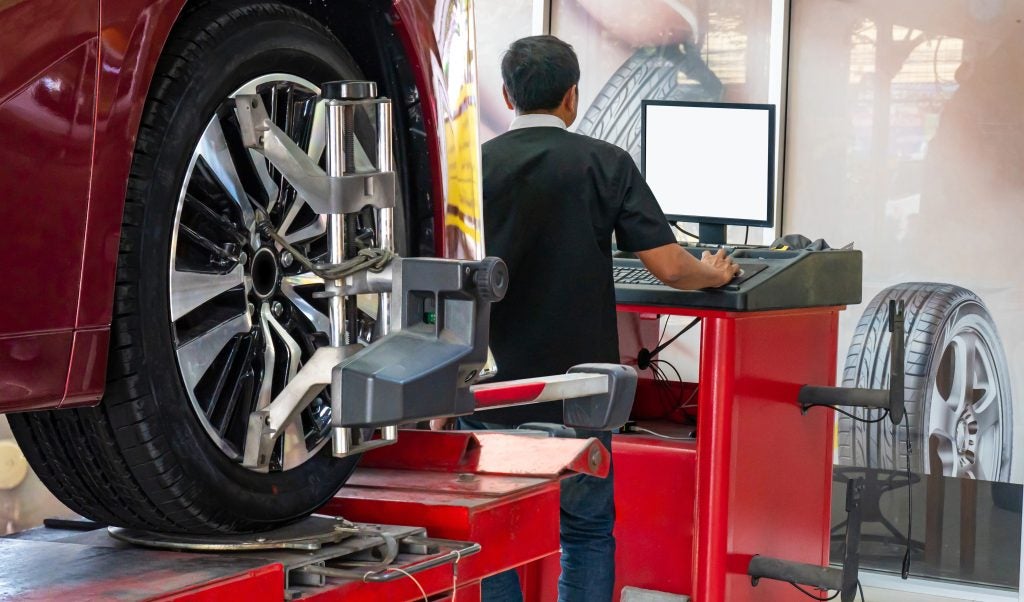
Wheel alignment being performed on a car in an automotive service shop.

Your tires are the only part of your vehicle touching the road, making their upkeep critical. If you drive a rugged GMC Sierra HD or a Yukon, proper tire care directly affects how your vehicle handles and stops. Drivers looking for expert advice on maintaining their truck or SUV should reach out to Lums GMC in McMinnville, OR, to learn more and optimize their vehicle performance. This guide covers the most essential tire maintenance habits you need to build.

Check Your Tire Pressure Regularly

Keeping your tires inflated to the correct pressure remains highly impactful. Underinflated tires wear unevenly, reduce fuel efficiency, and negatively affect handling. You will find the recommended tire pressure for your specific GMC model on a sticker inside the driver door jamb. Check the pressure monthly and always before long trips. Temperature changes cause pressure to fluctuate, making frequent seasonal checks necessary.

Rotate Your Tires on Schedule

Tire rotation keeps your GMC performing properly. Front and rear tires wear at different rates. Regular rotation evens out wear patterns and extends tire life significantly. Most GMC trucks and SUVs benefit from a rotation every 5,000 to 7,500 miles. Consult your owner manual or a certified service professional to confirm the right interval for your model.

Inspect Tread Depth and Tire Condition

Tread depth gives your tires grip on wet or uneven surfaces. Decreased tread reduces your ability to stop quickly and maintain control in slippery weather. Use the penny test by inserting a penny into the tread groove with Lincoln facing down. If you see the top of his head, replace your tires immediately. Always look for visible cracking or uneven wear, which frequently signals alignment issues.

Keep Up With Wheel Alignment and Balancing

Proper alignment and wheel balancing ensure long-lasting tires. Out-of-alignment wheels cause uneven tire wear and vehicle pulling. Wheel balancing ensures your tires spin smoothly without vibration. If you notice your steering wheel pulling or vibration at highway speeds, get your alignment checked. Hitting potholes can easily knock your alignment out of specification.

Know When to Replace Your Tires

Tires degrade over time. Most last between 25,000 and 50,000 miles, depending on driving habits. Towing, off-roading, and heavy hauling accelerate wear. Most manufacturers recommend replacing tires older than six years, regardless of tread depth. Check the DOT code on the sidewall to find your production date.

Let the Experts Handle Your Tire Service

Certified service professionals have the tools to properly inspect, rotate, balance, and align your tires. Scheduling regular tire service alongside your routine oil changes helps you stay ahead of problems before they turn into costly repairs.

Keep Your GMC Ready for Every Road

Consistent tire care provides better performance, improved safety, and a longer-lasting vehicle overall. The team at Lums GMC in McMinnville, OR, is ready to help you keep your truck or SUV in peak condition. Reach out to us today to schedule your next service appointment and ensure your vehicle stays ready for the road.


Posted in:

Related Posts

Mechanic pouring pink coolant into a car engine reservoir.

Why GMC Oil Change Service Matters for Your Vehicle's Health

Protect your investment by staying on top of your GMC oil change service. Clean oil keeps your engine running smoothly, from navigating the Oregon hills in a Sierra 1500 to hauling gear in a Yukon. Drivers in McMinnville, OR, can count on Lums GMC of McMinnville for expert maintenance. Reach out to our team today to schedule your service and prevent costly future repairs. Oil regulates engine temperature, reduces friction, and removes contaminants. Neglecting this routine care allows oil to break down, compromising these vital functions and damaging your engine. more The Consequences of Skipping Service Old oil thickens, losing its ability to flow freely and protect critical components like pistons and camshafts. Neglected oil leaves behind sludge that clogs passages and restricts flow. This buildup leads to overheating and premature wear. A simple oil change service costs far less than major engine repairs, making routine maintenance essential. Understanding Oil Change Intervals Intervals vary based on your oil type, driving habits, and GMC model. Many modern trucks and SUVs feature an Oil Life Monitoring System that calculates change requirements based on real driving conditions. While conventional oil traditionally lasts 3,000 miles, most modern GMC vehicles require full synthetic oil, extending the time between changes. Check your owner's manual for your vehicle's recommended intervals. How Driving Habits Affect Your Oil Short trips, stop-and-go traffic, towing, and extreme temperatures stress your engine oil more than highway cruising. These conditions degrade oil faster, requiring shorter intervals between changes. If you tow heavy loads with your Sierra HD or use your Canyon for work, discuss your driving patterns with a service professional. They can adjust your schedule based on your actual vehicle usage. Choosing the Right Oil Using the correct viscosity and GM-approved dexos oil ensures optimal engine performance and maintains your warranty. Your oil cap or owner's manual lists the exact specifications required. During your service visit, our trained technicians verify the correct product is used to protect your engine properly. What to Expect During Service A professional service involves draining the old oil, replacing the filter, and refilling the engine with fresh, manufacturer-approved oil. Visits typically include a multi-point inspection to check fluid levels, tire pressure, and basic maintenance items. This comprehensive check gives you a clear picture of your vehicle's condition without needing an extra shop visit. Stay on Schedule With Regular Maintenance Consistent oil changes keep your warranty valid and help your truck or SUV last longer. Fresh oil means a healthier engine for your Terrain, Acadia, or heavy-duty Sierra. Consult your Oil Life Monitor or owner's manual to verify your current status. When you need expert care, the team at Lums GMC of McMinnville, is ready to help your vehicle perform at its best.

Mechanic inspecting a car engine under the hood.

GMC Reduced Engine Power Warning: What It Means, Why It Happens, and How to Fix It

Few warning messages are more unsettling than "Reduced Engine Power" when it appears on your GMC's dashboard. The GMC Reduced Engine Power warning can feel alarming, especially if it happens in the middle of a drive. The good news is that understanding what triggers it can help you respond calmly and get the right help right in McMinnville, Oregon, quickly. more What Is the GMC Reduced Engine Power Warning? The GMC Reduced Engine Power warning might be scary, but it’s actually a protection mode built into your vehicle's engine control system. When the system detects a problem that could potentially cause engine damage, it intentionally limits your vehicle's performance to prevent further harm. You may notice your truck or SUV feels sluggish, struggles to accelerate, or won't respond the way it normally does. That's the system doing its job—protecting the engine while alerting you to an underlying issue. Common Causes of the GMC Reduced Engine Power Warning There are several reasons the GMC Reduced Engine Power warning might appear. While only a diagnostic scan can pinpoint the exact cause, some of the most common culprits include: A faulty throttle body is one of the top triggers. When the throttle position sensor isn't communicating correctly with the engine control module, the system defaults to reduced power mode. A loose or corroded battery connection can also cause this warning, since the engine control module relies on consistent electrical signals. Other potential causes include a failing mass airflow sensor, a dirty or damaged oxygen sensor, a fuel system problem, or a catalytic converter issue. What You Should Do When the Warning Appears When the GMC Reduced Engine Power warning activates, the safest step is to pull over when it's safe to do so. Turn the engine off, wait a few minutes, and restart. In some cases, the warning may clear temporarily—but that doesn't mean the underlying issue is resolved. It turned on for a reason, right? Avoid ignoring the warning or continuing to drive aggressively. Operating a vehicle in reduced power mode for extended periods can put additional stress on engine components. The warning is your vehicle asking for attention, not something to push through. Why a Professional Diagnostic Matters Because the GMC Reduced Engine Power warning can stem from a wide range of issues—from a simple sensor fault to a more complex electrical or fuel system problem—a professional diagnostic scan is the most reliable way to identify the root cause. A certified technician can read the fault codes stored in your vehicle's system and determine exactly which component needs attention. This prevents guesswork and helps you avoid paying for parts that may not solve the problem. Get Your GMC Checked Out in McMinnville, OR If that Reduced Engine Power warning has taken you by surprise, don't wait for the problem to get worse. Drivers in McMinnville, Oregon, can bring their GMC truck or SUV to Lum’s GMC, where factory-trained technicians are equipped to diagnose and address the issue properly. Visit us at lumsgmc.com to schedule a service appointment or learn more about our certified service options. Getting the right diagnosis early can save you time, money, and stress down the road. Your Next Step Is Simple The GMC Reduced Engine Power warning isn't something to ignore—but it's also not a reason to panic. Understanding what the warning means gives you a clear path forward. Bring your vehicle to a trusted GMC service center, get a proper diagnosis, and get back on the road with confidence. At Lum’s GMC, we're here to help you do exactly that.

White GMC Sierra 1500 pickup truck driving on a scenic road.

What Is the Difference Between GMC Sierra 1500 Elevation and SLT Trim Levels?

While you know the GMC Sierra is a high-quality truck, you've probably also noticed that not every Sierra 1500 is the same, and you need to find the one that will fit your needs the best. The 2026 GMC Sierra 1500 lineup offers a range of trims designed to fit different lifestyles, budgets, and preferences - and two of the most popular options, the Elevation and SLT trim levels, tend to generate a lot of questions. Here's a breakdown to help you figure out which one might be the right fit for you. more Understanding the GMC Sierra 1500 Lineup The 2026 GMC Sierra 1500 spans several trim levels, each building on the last with additional features, styling enhancements, and technology upgrades. Before diving into the specific differences between the Elevation and SLT trims, it helps to understand where they fall within the broader Sierra 1500 family. Both sit in the mid-range of the lineup, appealing to buyers who want more than the base model without jumping into premium Denali or off-road-focused AT4 territory. What Is the GMC Sierra 1500 Elevation? The Sierra 1500 Elevation is designed to stand out visually while keeping things practical and approachable. It features a blacked-out exterior appearance package that includes a dark grille, dark badges, and 20-in wheels. Inside, you'll find a well-equipped cabin with a larger touchscreen, upgraded upholstery, and a host of comfort and convenience features that make everyday driving more enjoyable. The Elevation is a strong choice for drivers who want a bold look paired with solid everyday utility. It strikes a balance between style and function without crossing into heavily off-road or ultra-luxury territory. What Is the GMC Sierra 1500 SLT Trim? The Sierra 1500 SLT trim takes a similar blacked-out styling approach but typically leans into a more premium configuration. It builds on the Elevation's foundation by adding more refined interior materials, additional technology features, and enhanced comfort touches. Think of it as the next step up for buyers who appreciate the Elevation's aesthetic but want a more polished experience behind the wheel. The SLT is positioned for drivers who want that dark, aggressive look on the outside with a noticeably upgraded feel on the inside. It's a great option if you spend a lot of time in your truck and want the cabin to reflect that investment. Key Differences to Consider When evaluating what is the difference between GMC Sierra 1500 Elevation and SLT trim levels, the most notable distinctions come down to interior refinement, feature content, and price. The SLT generally offers more premium materials and a higher level of standard equipment compared to the Elevation. Both trims share the signature dark exterior styling that has made this series popular, but the SLT delivers a more upscale driving environment. The Elevation trim offers three capable engine options to match your driving needs. Choose the 2.7L TurboMax with 310 hp and 430 lb.-ft. of torque, the 5.3L engine with 355 hp and 383 lb-ft of torque paired with a 10-speed automatic transmission, or the 3.0L Duramax Turbo-Diesel with 305 hp and 495 lb-ft of torque. Your decision may also come down to budget and intended use. If you're primarily focused on getting a capable, great-looking truck without extra frills, the Elevation delivers strong value. If you want a more complete package with fewer compromises, the SLT trim is worth the additional investment. Find Your Sierra 1500 at Lums GMC Understanding what the difference between GMC Sierra 1500 Elevation and SLT trim levels is a great starting point, but nothing compares to seeing them in person. The team at Lums GMC is ready to walk you through the details, answer your questions, and help you find the Sierra 1500 that fits your needs. Visit lumsgmc.com or stop by to explore current inventory and available offers on the 2026 Sierra 1500 lineup.